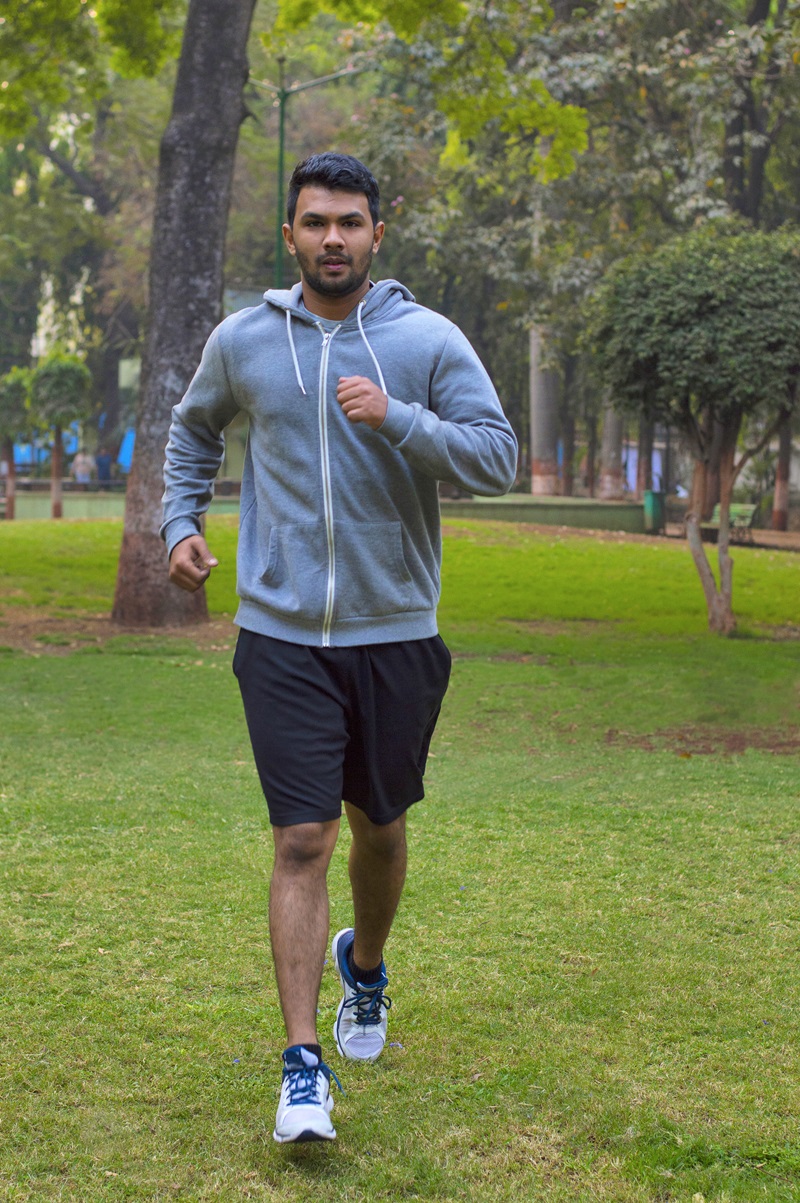





Type 1 Diabetes mellitus is an autoimmune disease, in which the body’s own cells destroy the beta cells (responsible for insulin production) of the pancreas, as a result of which the body is devoid of insulin. There is absolute insulin deficiency in
Type 1 Diabetes. In such cases, the only treatment option is taking insulin injections. This type of Diabetes is usually seen in young adults and children and is also called juvenile Diabetes. Parents and children with Type 1 Diabetes mellitus need counselling and education regarding insulin injection techniques and glucose monitoring.
 n
n
Diagnosis
Diagnostic tests include glycated hemoglobin (A1C) test. This blood test shows your average blood glucose level for the past 2 to 3 months. It measures the amount of blood glucose attached to the oxygen-carrying protein in red blood cells (hemoglobin). The higher the blood glucose levels, the more hemoglobin you’ll have with sugar attached. An A1C level of 6.5 per cent or higher on two separate tests means you have Diabetes.
If the A1C test isn’t available, or if you have certain conditions that can make the A1C test inaccurate -such as pregnancy or an uncommon form of hemoglobin (hemoglobin variant) – your provider may use these tests:
Random blood glucose test
A blood sample will be taken at a random time and may be confirmed by additional tests. Blood glucose values are expressed in milligrams per deciliter (mg/dL) or millimoles per liter (mmol/L). No matter when you last ate, a random blood glucose level of 200 mg/dL (11.1 mmol/L) or higher suggests Diabetes.
Fasting blood glucose test
A blood sample will be taken after you don’t eat (fast) overnight. A fasting blood glucose level less than 100 mg/dL (5.6 mmol/L) is healthy. A fasting blood glucose level from 100 to 125 mg/dL (5.6 to 6.9 mmol/L) is considered Prediabetes. If it’s 126 mg/dL
(7 mmol/L) or higher on two separate tests, you have Diabetes.
If you’re diagnosed with Diabetes, your provider may also run blood tests. These will check for autoantibodies that are common in Type 1 Diabetes. The tests help your provider decide between type 1 and type 2 Diabetes when the diagnosis isn’t certain. The presence of ketones
(by-products from the breakdown of fat) in your urine also suggests Type 1 Diabetes, rather than type 2.
Management
People with Type 1 Diabetes require daily injected insulin to manage their blood glucose levels. In Type 1 Diabetes, at the time of diagnosis, this reserve is less than 1 per cent which is almost negligible.
People need two continuous sources of energy – glucose (blood glucose) and oxygen. To use glucose there must be insulin in the body. People with Type 1 Diabetes are unable to produce insulin and that’s why they need insulin administration. For people with Type 1 Diabetes, oral anti- diabetes medication should not be prescribed as they can cause adverse outcomes. Anyone who has Type 1 Diabetes needs insulin therapy throughout their life. There are many types of insulin, including:
Short-acting insulin – Sometimes called regular insulin, this type starts working around 30 minutes after injection. It reaches peak effect at 90 to 120 minutes and lasts about 4 to 6 hours. Examples are Humulin R, Novolin R and Afrezza.
Rapid-acting insulin – This type of insulin starts working within 15 minutes. It reaches peak effect at 60 minutes and lasts about
4 hours. This type is often used 15 to 20 minutes before meals. Examples are glulisine, lispro and aspart.
Intermediate-acting insulin – Also called NPH insulin, this type of insulin starts working in about 1 to 3 hours. It reaches peak effect at 6 to 8 hours and lasts 12 to 24 hours. Example is insulin NPH.
Long- and ultra-long-acting insulin – This type of insulin may provide coverage for as long as 14 to 40 hours. Examples are glargine, detemir and degludec.
Exercise and blood glucose level
Unlike in Type 2 Diabetes where exercise and weight loss may be used as a strategy to improve blood glucose levels, it is not so in Type 1 Diabetes. However, people with Type 1 Diabetes are encouraged to include regular exercise in their day-to-day life as exercise has many health benefits.
There are no specific exercises that are recommended exclusively for people with Type 1 Diabetes. A mix of endurance and resistance training is recommended for all adults. However, it is important that the person with Type 1 Diabetes understands the impact of different types of exercise on their blood glucose levels and learns how to modify their insulin doses or take extra carbohydrates to exercise safely.
In general, endurance (aerobic) exercises like running, jogging, swimming, and cycling will lead to a drop in blood glucose levels. Explosive exercises (anaerobic) like sprinting, heavy weightlifting, squats, or high intensity training, leads to a rise in blood glucose levels.
The effect of endurance exercise is like taking insulin – leads to a drop in glucose. Hence it is best to plan and make changes to insulin doses, when possible, to reduce the risk of hypoglycaemia. For unplanned exercise, for example walking more than usual, extra carbohydrates without insulin can prevent hypoglycaemia.
 n
n
5 step approach
People may plan an exercise in 5 steps. They must think of the actions to be taken before, at the start, during, at the end and after exercise.
Before starting an exercise, changes should be made to basal and/or bolus insulin depending on which insulin is active during the period of exercise. Bolus insulins like quick acting analogues must be reduced if endurance exercise is done within 3 hours of taking the injection. For example, a person planning to jog for 45 minutes to
2 hours after a bolus dose of insulin should consider reducing the dose of bolus insulin by 30-50 per cent.
At the start of an endurance exercise, blood glucose should be at least more than
126 mg/dl. If not, additional carbohydrates must be taken before starting the endurance exercise.
Despite reduction in insulin doses, people with Type 1 Diabetes may need additional carbohydrates without insulin for prolonged endurance exercise lasting more than
45 minutes. Although the degree of carbohydrates needed can vary, a good starting point is about 15 g of carbohydrates for every 30 minutes of prolonged endurance exercise. If the exercise is longer than 1 hour it is also advisable to test your blood glucose periodically to check if you need additional carbohydrates.
At the end of exercise, some people may find a rebound increase in blood glucose levels, this is usually due to the stress of exercise and will come down in a few hours. If the person decides to take extra bolus insulin, it is suggested to take just half of the usual dose to avoid risk of hypoglycaemia.
Finally, after the exercise it is important to remember that exercise also has a delayed effect on blood glucose. Glucose levels may drop 6-12 hours after a bout of exercise.
This is due to the muscle extracting glucose from the blood to replenish the glycogen stores that were depleted during exercise. This is particularly seen in people who do exercise only on few days of a week. They will be more sensitive to insulin on the days after exercise. They should consider reducing the dose of the bolus for the meal after the exercise by 30 per cent and consider either taking a bedtime low glycaemic index carbohydrate snack
(10-15 g) or reducing the overnight basal insulin by 20 per cent.
Explosive exercise generally leads to a rise in blood glucose. Hence, insulin reduction is not required before exercise. At the start of explosive exercise, it is recommended to ensure that the blood glucose is at least
>90 mg/dl. During exercise there is generally a low risk of hypoglycaemia if the exercise is predominantly only explosive activities. (e.g., High Intensity Interval training). However, if there is significant amount of endurance activities the glucose levels may drop. It is very likely that a high blood glucose is seen at the end of explosive exercise due to the large rise in stress hormones. However, it is advised to not take extra insulin and wait a few hours. In most cases, the glucose will drop once the stress improves after stopping the exercise. If the person does decide to take a correction insulin, then they should only take half of their usual correction dose for that glucose level. Actions to be considered after exercise are the same as for endurance exercise.
It is important to realise that the above
 n
n
recommendations are only a starting point, and although it should work for most people modifications may be needed.
Hence, it is important that you keep track of what happens to your blood glucose with your exercise regimen and modify the above recommendations to find what suits you best. Consult your endocrinologist to discuss your exercise plan.
When should you exercise?
Exercises can be performed during any part of the day as per the individual’s choice.
But when a person with Diabetes performs any form of exercise, they need to be careful regarding excessive surge as well as drop in blood glucose levels as there are many factors which can affect his performance during the exercise session.
The individual can have a hypoglycaemic episode during the session (if exercise is prolonged) or later after 2 to 3 hours. In hypoglycaemia, one can experience, excessive sweating, giddiness, blurred vision, palpitation or in worst case unconsciousness. Hence a person with Diabetes must keep in mind about the food intake before the exercise, his dosage of medications which can be insulin or oral hypoglycemics, intensity of exercise, time of the day and site of insulin injection.
When the exercises are done during morning time, the levels of hormone cortisol are higher – (Normal diurnal variation). These high levels of circulating cortisol lower the action of insulin and keeps the blood glucose levels from dropping. Hence, in a person with Diabetes performing exercise in the morning hours there are less chances of severe hypoglycaemic attack. But in afternoon when the levels of cortisol drop in the blood there is less resistance to the insulin action which can lead to hypoglycaemia. Hence the morning doses of anti-diabetic agents need to be reduced accordingly.
During the later part of the day when the cortisol levels are low, insulin resistance decreases and chances of hypoglycaemia due to exercise increases. Hence the need to consume a snack prior to exercise containing carbohydrates as per duration and intensity of exercise. Exercising during the night time is no different than the day time. The only concern for night time exercising is that if for some reason the individual undergoes hypoglycaemia in sleep, it can be difficult to manage.
Although it is said that the light exercises done during night time would not be harmful.
 n
n
For a person with Type 1 Diabetes the main barrier to exercise is hypoglycaemia. For people with Diabetes, exercise does entail some risks, but the benefits far outweigh the risks. Exercise changes the way your body reacts to insulin. Regular exercise makes your body more sensitive to insulin, and your blood glucose level may get too low (called hypoglycemia) after exercising. You may need to check your blood glucose level before and after exercising. Your doctor can tell you what your blood glucose level should be before and after exercise.
If your blood glucose level is too low or too high right before you plan to exercise, it’s better to wait until the level improves. It is especially important to watch your blood glucose level if you exercise in really hot or cold conditions, because the temperature changes how your body absorbs insulin.
For a short bout of exercise, less than
30 minutes, no specific planning may be needed other than ensuring that the glucose is more than 126 mg/dl before starting and keeping quick acting carbohydrates with them to use in the event of hypoglycaemia.
Watch your blood glucose
Hypoglycemia usually occurs gradually, so you need to pay attention to how you’re feeling during exercise. You may feel a change in your heartbeat, feel shaky or anxious, or suddenly begin to sweat more than normal. When you feel this way, you should stop exercising and follow your doctor’s advice about how to treat hypoglycemia. People who have Diabetes should carry at least 15 grams of a
fast-acting carbohydrate with them at all times in case of hypoglycemia.
The following are examples of quick sources of energy that can relieve the symptoms:
• Non-diet soda- ½ to ¾ cup
• Fruit juice- ½ cup
• Fruit- 2 tablespoons of raisins
• Milk- 1 cup
• Candy- 5 pieces
• Glucose tablets- 3 tablets (5 grams each)
If you don’t feel better 15 minutes after having a fast-acting carbohydrate, or if monitoring shows that your blood glucose level is still too low, have another 15 grams of a fast-acting carbohydrate.
 n
n
Care for your feet
Many people who have Diabetes have problems with the nerves in their feet and legs, sometimes without even knowing it. This is called diabetic neuropathy. So, it’s important that you wear shoes that fit well and have plenty of room when you exercise. Otherwise, you could develop blisters or I worked out /or 45 mins today – 20 mins searching /or my shoes, 20 mins searching/or my wallet and 5 mins on the treadmill.
other sores on your feet that can lead to infection and other problems. You should check your feet before and after you exercise to make sure there are no blisters or other sores.
 n
n
Drink more fluids
When you’re exercising, your body uses more fluid to keep you cool. By the time you feel thirsty, you may already be getting dehydrated. Dehydration (not enough fluid in your body) can affect your blood glucose level. Drink plenty of fluid before, during and after exercise.
Note: People with Type 1 Diabetes must speak to their doctors and dietitian before starting a new exercise regimen.