




Mr Ankush Joshi gives comprehensive answers with real life examples about how Artificial Intelligence helps him better manage Diabetes.
About me
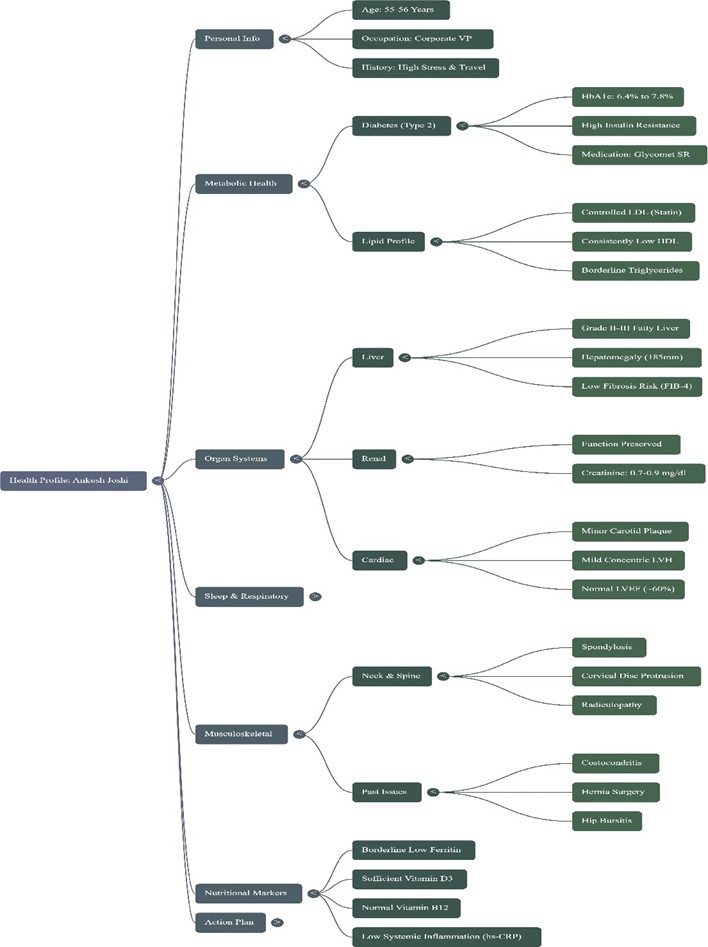
I’ve lived with Type 2 Diabetes from 2012 but I was officially diagnosed in 2014. Then I was prescribed:
- Earlier: Metformin (Glycomet SR 1000)
- Last year: Jalra-M 500 (Vildagliptin + Metformin)
- Now: AjaDuo (Metformin + Empagliflozin)
Over these years, I’ve gone through
- Weight fluctuations, High stress cycles
- Sleep issues, CPAP usage
- Periods of good control and periods of neglect
- Periods of YOLO – You only Live Once
I have realised that with Diabetes it’s a long- term journey, not a short-term issue.
AI and diet
I use AI exactly the way a personal dietician
+ analyst + accountability partner would work:
- To design my daily eating framework
We, ChatGPT and I, created a 1200-calorie, high-protein, high-fibre food plan with:
- 4 meals/day breakfast, lunch, 4:30 p.m. structured snack and dinner
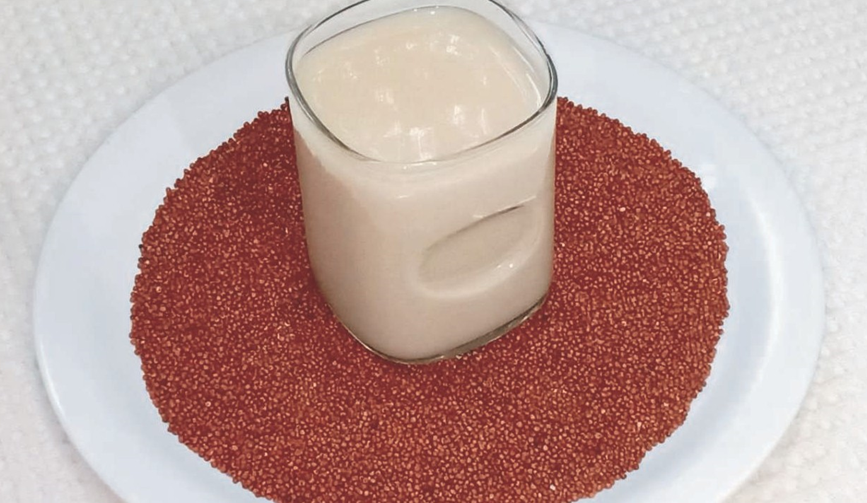
- High fibre foods: leafy vegetables, dalia, quinoa
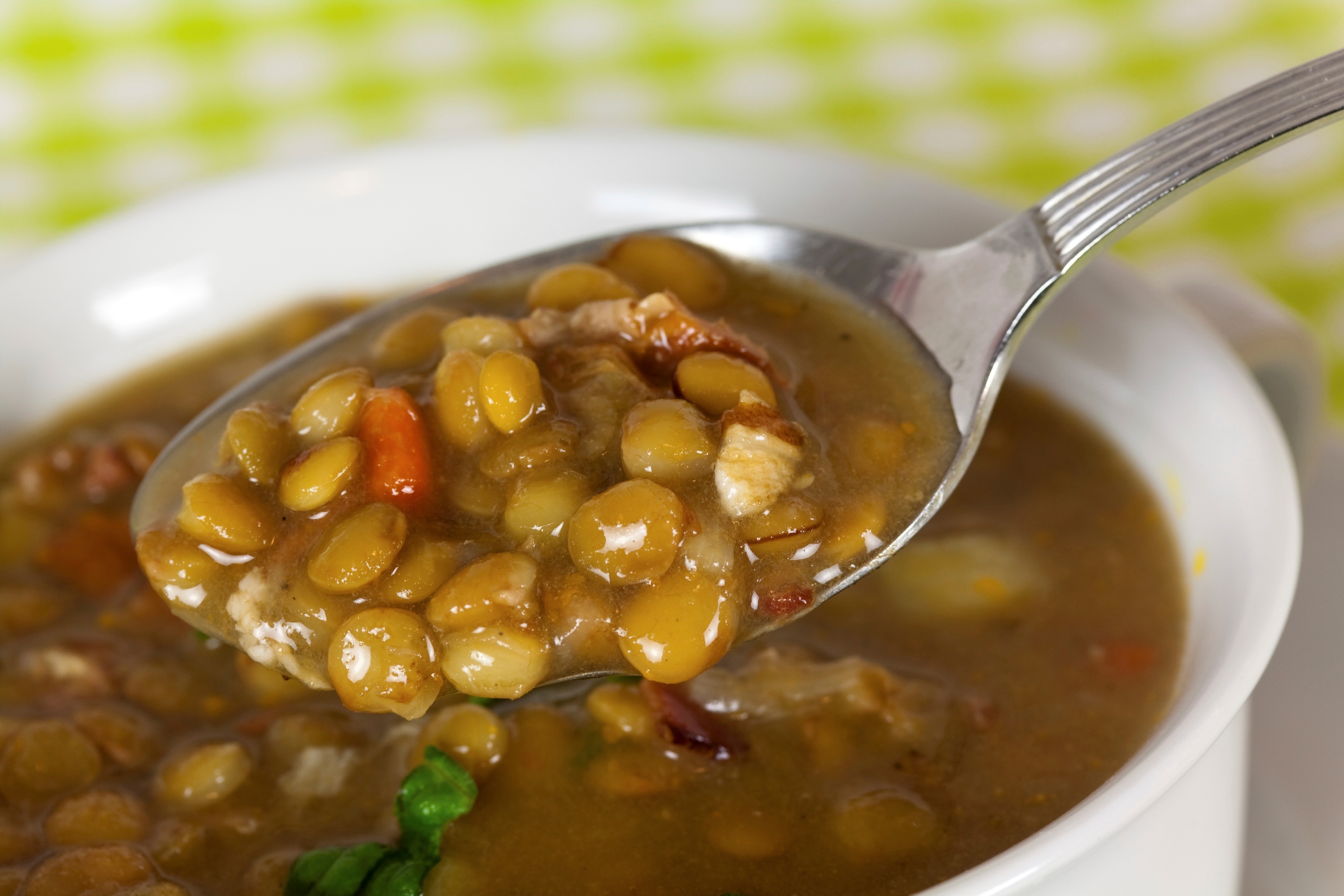
- High protein foods: tofu, eggs, dals and low-fat animal protein items
- Fruits: Low Glycaemic Index and high fibre items papaya, kiwi, oranges, apple, pear
- To adjust meals based on my hunger, stress, or social schedule, I use prompts like:
- If a meeting runs late: “Shift calories toward dinner and give me a safe 300- cal snack now.”
- If I feel hungrier on a workout day: “Increase protein by 20 g without raising calories; modify the plan.”
- To pre-plan “dangerous” days like festivals, birthdays, restaurant dinners
with clients and travel days
I describe planned foods, and AI gives me realistic calorie estimates, a damage-control strategy and a recovery plan for the next day
- To label red-flag behaviours
AI warns me when portion sizes creep up or heavy dinners are becoming a pattern or snacks are slipping into habit e.g., Close to midnight snacks.
I treat it like a mirror that doesn’t lie. I primarily use ChatGPT, because it handles:
- Diet planning
- Nutrition calculations
- Lab interpretation
- Samsung Watch trend analysis
- CPAP data interpretation
- Doctor summaries
- Technical, psychological, and lifestyle insights together
For Diabetes, I recommend:
- A general-purpose AI (like ChatGPT)
- A good food logging app (optional) if someone wants precise daily tracking
- A wearable + AI analysis (Samsung Watch – AI report)
AI does calculate calories and carbs with reasonable accuracy for roti, dal, paneer, sabzis, fruits and packaged foods. But it is less accurate for homemade food (oil quantity unknown), restaurant gravies (oil is unpredictable), festival foods (portion size is the real demon)
AI gives ranges, not exact numbers like 1200 to 1500 calorie range. But this range functions well for good decision-making.
Example 1: During festivals I input 2 laddoos, 1 small chakli and regular dinner.
AI then calculates ~700900 extra calories. Then it gives tips like:
- Swap dinner roti for dal + sabzi
- Walk 45 minutes post dinner
- Hydrate + avoid late coffee
- Next day: Protein-heavy breakfast + light lunch
Example 2: For a restaurant meal if the
menu is dal makhana, garlic naan, jeera rice, snacks on table and dessert then AI recommends:
- Choose tandoori or grilled starter
- Skip naan; choose 1 roti
- Skip dal makhani; choose tadka dal
- Separate serving spoon for gravy
- Eat salad first
- Stop at 1 small dessert bite
The advantage is I can participate in business lunches in restaurant without drawing any additional scrutiny as well as manage my calories.
AI and health data
I feed AI my health data like:
- All lab reports (2016-2025)
- In Body reports
- Samsung Watch HR, HRV, steps, sleep
-
- CPAP compliance
- Diet logs and experiments
- All Prescriptions AI gives me:
- Trend analysis
- Correlations (example: high HR spikes after rich dinners + alcohol)
- Interpretation (example: “Your HRV improves on days with 8k+ steps and good sleep”)
- Doctor-ready summaries
This puts my health in one narrative, not siloed. I also use AI to monitor progress in the form of weekly or monthly reviews. AI helped me understand:
- My resting heart rate was consistently high (90-100)
- HRV was lower on high-stress work weeks
- Weight loss improved resting heart rate
-
- SMM changed less than expected – I needed more protein
- Sleep duration was low when CPAP was under-used
- Activity levels (steps) directly influenced HRV
AI acts like a health auditor.
My advice
- Use AI for awareness and planning
- Use wearables + share data with AI
- NEVER change medicines based on AI
- Use AI summaries during doctor visits
- Make AI your friend (thinking partner), not your doctor
- Be consistent – occasional input means occasional insight
Ankush Joshi is a Corporate Vice President and global technology leader with over 30 years of experience. Living with type 2 Diabetes, Ankush applies a data-driven approach to personal health, using AI to analyse labs, diet, sleep, and wearable data. He advocates for the responsible use of AI in healthcare – as an assistant that empowers individuals and strengthens doctor- patient conversations, not as a replacement for medical judgment.
Email: ankush.a.joshi@gmail.com