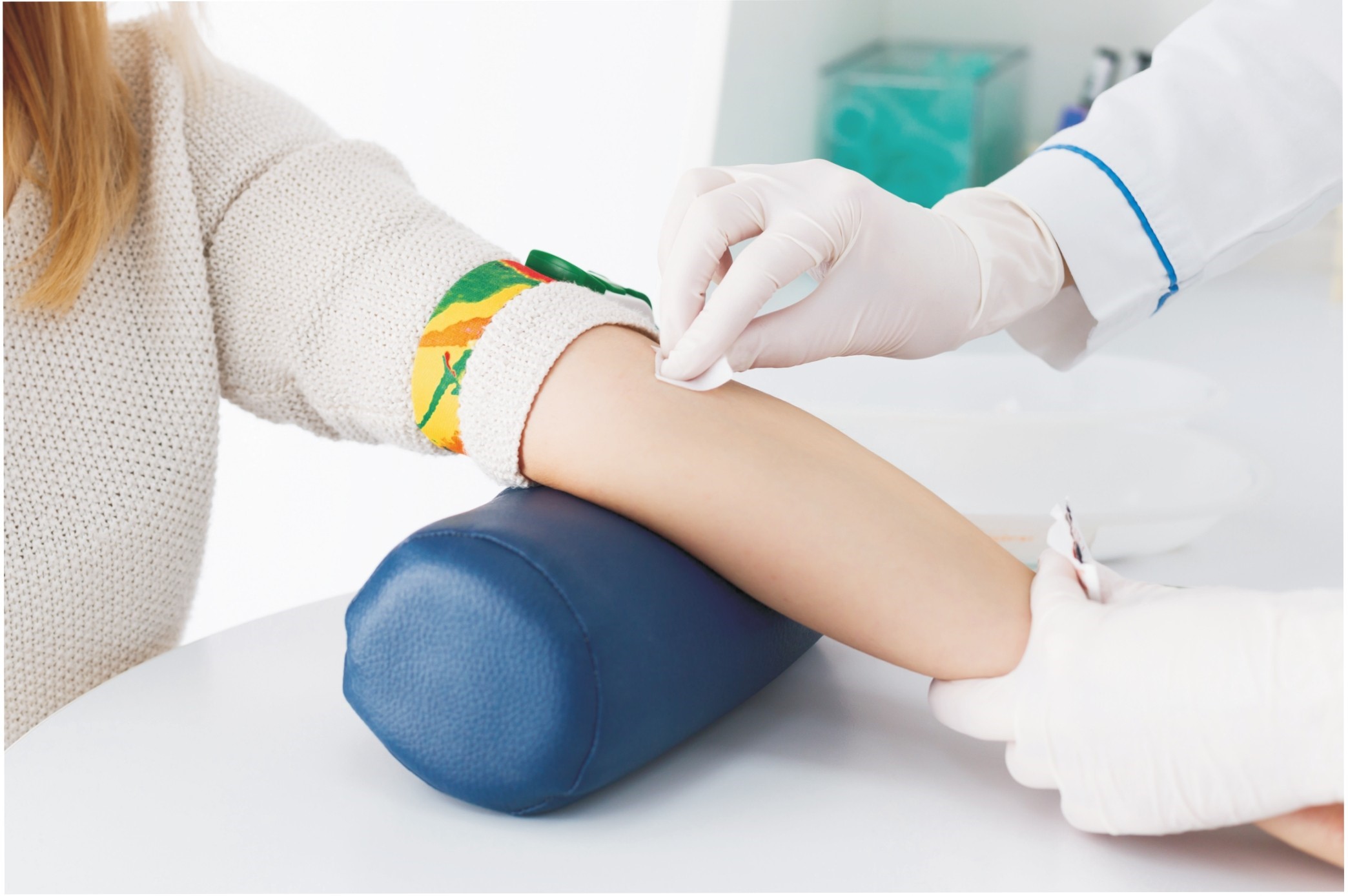


Dr Anuja Mahajan explains the importance of the fasting, postprandial and the HbA1c blood glucose tests.
Glucose is necessary for the functioning of the body. It provides energy and helps in the proper functioning of different body parts. Presence of normal blood glucose level is important for the sustenance of the body. When blood glucose levels are
consistently high for a significant period, Diabetes occurs.
Types of blood glucose tests
Blood glucose test is recommended to test the amount of glucose present in the body.
When the blood glucose levels rise in the body, the pancreas produce insulin which processes the glucose and manages glucose levels. Normally when food is taken, there is a slight increase in the blood glucose levels. These increased levels are managed by insulin production from the pancreas. When the insulin secretion is impaired, blood glucose levels rise to abnormal levels. This results in Diabetes.
To diagnose if a person has Diabetes following tests are recommended:
Fasting blood glucose test
Fasting blood glucose test is performed to see the blood glucose levels after overnight fasting. This test is often recommended first to look for prediabetes and Diabetes. The normal value for fasting blood glucose level is less than 100 mg/dL. A person is diagnosed of prediabetes if he or she has a fasting blood glucose level between 100 and 125 mg/Dl. If the blood glucose levels are more than 125 mg/dL, a person is diagnosed with Diabetes.
Postprandial hyperglycaemia
A person is diagnosed with Diabetes if his or her blood glucose levels are equal to or more than 200 mg/dL when tested two hours after a meal. It is termed as postprandial (post-meal) hyperglycaemia or PPHG. The targeted post-meal blood glucose level for people with Diabetes should be less than 140 mg/dL. If the postprandial glucose level is between 140 and 200 then the person is considered to have prediabetes. It is well known that Diabetes related complications depend on the duration of hyperglycaemia, that is, how long the blood glucose levels have been high. We spend about 2/3rd of our life in the non-fasting state and therefore PPHG is an
important contributor to Diabetes related complications.
HbA1c test
HbA1c test is recommended to check the average of over three months of blood glucose levels. HbA1c is used to diagnose Diabetes. An HbA1c value below
5.7 per cent is considered as normal. A value between 5.7 per cent and
6.5 per cent is called as prediabetes and an HbA1c value greater than 6.5 per cent indicates Diabetes.
Random glucose test
For random glucose test, the blood sample is collected randomly at any time of the day, irrespective of when the person had last taken food. A person is diagnosed of Diabetes if his or her random glucose levels are more than 200 mg/dL.
Oral glucose tolerance test (OGTT)
This test is recommended to check the body’s capability to process glucose. It is commonly recommended to check for gestational Diabetes. For OGTT, a person’s blood glucose level is checked after overnight fasting. The person is given 75 g of sugary drink and the test is repeated
after two hours. If the blood glucose level is below 140 mg/dL it is considered normal. If the glucose level is between 140 and
200 mg/dL, a person is considered to have prediabetes and if the glucose level is above 200 mg/dL it is termed as Diabetes.
In this article we will look at the three most routinely done tests which are fasting, postprandial and the HbA1c blood glucose tests.
Fasting blood glucose test
Diabetes is a growing burden on society and it is necessary to prevent, reverse or treat it optimally. Impaired insulin secretion, insulin resistance, excessive hepatic glucose production and abnormal fat metabolism are hallmarks of Diabetes. Due to excessive hepatic glucose production, fasting plasma glucose levels (FPG) start increasing. FPG is a simple, cost effective, convenient and reproducible test which facilitates screening, diagnosing, optimum management of Diabetes.
- Women who were diagnosed with GDM
- Women with polycystic ovary syndrome
- Hypertension / hypertension on treatment
- High risk ethnicity (South Asian or African)
- HDL cholesterol level<35mg/dl or triglyceride level>250 mg%
Before drawing blood sample for FPG, following precautions need to be taken:
Avoid:
Fasting blood glucose test may be done if age is above 45 years and body mass index is > 25 KG/m2 with one or more additional risk factors for Diabetes such as:
- HbA1C is more than 7
- First degree relative has Diabetes
- Calorie intake for eight hours prior to the test, only water is permitted.
- Heavy work out/ smoking/ alcohol intake before test.
- Medication to alter glucose tolerance (corticosteroids, OCP, thiazides, insulin, etc.). Thyroxin and Aspirin may be
- The area is prepared prior to drawing blood. A tourniquet should be applied mid- upper arm. The vein is identified in the pressurised arm. Alcohol swab is used to clean and disinfect the area. Blood is drawn from the vein and then the tourniquet is released. You will be offered clean cotton gauze to apply pressure to the puncture wound to stop the flow of blood. Once blood stops flowing out, a small clean plaster is applied to the puncture wound.Present American Diabetes Association guidelines for the FPG level are:
Normal: < 100 mg/dL Prediabetes: 100 -125mg/dL
Diabetes is diagnosed if the result is >126 mg/dL on two separate tests
Fasting blood glucose levels give vital clues about how a person’s body is managing
- blood glucose. They are easy, economical and a reliable way to identify blood glucose levels.Fasting blood glucose test is commonly used to screen for GDM but has given varied results and it is uncertain unless Oral Glucose Tolerance test is also performed.
Also, fasting blood glucose test may not correctly identify prediabetes.
Post prandial blood glucose test
Post prandial blood glucose test determines the amount of sugar, also called glucose, in blood after a meal. Most of the food contains some carbohydrate which is the major source of energy for the
body. So, blood glucose levels increase to at least some extent after eating any food, though the degree of increase in blood glucose varies a lot depending on the carbohydrate content of the food. This, in turn, stimulates the pancreas to release insulin which assists the body in moving glucose from the blood and storing it for energy. However, people
with Diabetes may not produce or respond properly to insulin, thereby causing their blood glucose levels to elevate. Moreover, persistent high blood glucose levels over a period of time can damage the eyes, kidneys, nerves and blood vessels.
A two hour post prandial blood glucose test measures your blood glucose levels exactly two hours after having the first bite of your meal. In
healthy individuals, the blood glucose levels return to normal within two hours; however, in people with uncontrolled Diabetes, the levels remain elevated. The test is slightly different than an oral glucose tolerance test where the blood glucose is tested after consumption of a measured amount of anhydrous glucose.
This test serves two purposes:
To assess whether you have prediabetes or Diabetes. Although high values do indicate Diabetes, doctors do not conclude that you do have Diabetes based on this single test. Additional tests will be necessary to confirm the prognosis.
- To assess control of your blood glucose levels if you already have Diabetes. This test can detect both high and low levels of blood glucose and helps the doctor to modify your medications
Blood will be collected exactly two hours after your first bite of a meal. Results are
often ready in one to two hours. People who have known Diabetes can do this test at home with a glucometer as a part of self- monitoring of blood glucose levels. Glucose levels noted from a blood sample taken from the vein (called blood plasma value) may differ a little from the glucose levels checked with a finger stick.
Post prandial blood glucose levels (2 hours after your first bite) after a meal is referred to as:
- Normal: <140 mg/dL
- Prediabetes: 140-199 mg/dL
- Diabetes: >200 mg/dL
You should do this test if along with fasting blood glucose, you want to know whether you have Diabetes or prediabetes and if you are already known to have Diabetes. This test will enable you to know whether your post-meal glucose values are under control or not.
People with Diabetes can also use this test
to know the variation in blood glucose on consuming different types of food. This can enable you to optimise your diet habits.
It is important to note that this test alone is not sufficient for diagnosis or assessment of control of Diabetes or prediabetes.
HbA1c
The HbA1c is a blood test which gives the average blood glucoses of the past three months. It can never be overemphasized that people with Diabetes
should regularly check their HbA1c and maintain it at a level as advised by the doctor. If done every four to six months it gives information regarding the blood glucose control and indicates if the patients have been regularly taking medicines.
One of the most important interventions in Diabetes treatment is early diagnosis and rapid corrections of blood glucose and more importantly diagnosing the pre diabetic population (those with borderline blood glucose but not in diabetic range). The American Diabetes Association has recommended the use of HbA1c as a diagnostic criterion for Type 2 Diabetes. It has been shown in people with Diabetes whose HbA1c or also called A1c is as close to normal or at least less than 7 per cent have significantly less complications in terms of vision loss, kidney failure, stroke and heart attacks. The test is very
important for a lady with Diabetes who is planning a pregnancy. These women
should plan a pregnancy only when HbA1c is controlled and after consulting a physician. This may not be a good test to monitor blood glucose in pregnancy where only fasting and post meal blood glucoses should guide treatment decision.
HbA1c reading is referred to as:
- Normal – lesser than 7 per cent
- Pre-diabetes – 7-6.4 per cent
- Diabetes – more than 5 per cent
If the A1C is 5.7 per cent, it corresponds to a blood glucose level of 130 mg per cent and for every 1 per cent increase over it a change of mean plasma glucose of 35 mg per cent is added to 130mg per cent.
Note: This is only a ‘rule of thumb’ and more accurate conversion tables may be found online.
A very important shift in the management of Diabetes is individualisation of treatment
or simply put, the doctor sets individual goals for each patient depending on the age, associated health conditions like heart, kidney ailments and stroke. So, an elderly person with kidney failure will have different goals (less stringent) as compared with a recently diagnosed young person for blood glucose control.
The test has high reliability if done in a standardised laboratory with a good control program. Blood is drawn from the arm. No prior special preparation such as fasting is necessary. Blood can be collected at any time during the day.
It is important to note that Haemoglobinopathies (i.e. abnormal haemoglobin synthesis) and anaemia can alter HbA1c levels.
Dr Anuja Mahajan is Consultant Pathologist
in Pune