




Case study 1
Mrs Anupama Zaveri (name changed) suffered from connective tissue disease since childhood and was prescribed oral corticosteroids for a longer duration to manage it. Last year, the doctors diagnosed her with high blood glucose levels (hyperglycaemia) and increased insulin resistance to be a side effect of the long- term steroid use. She was diagnosed with steroid induced Diabetes. She was placed on oral medication and advised life style management to lower blood glucose levels.
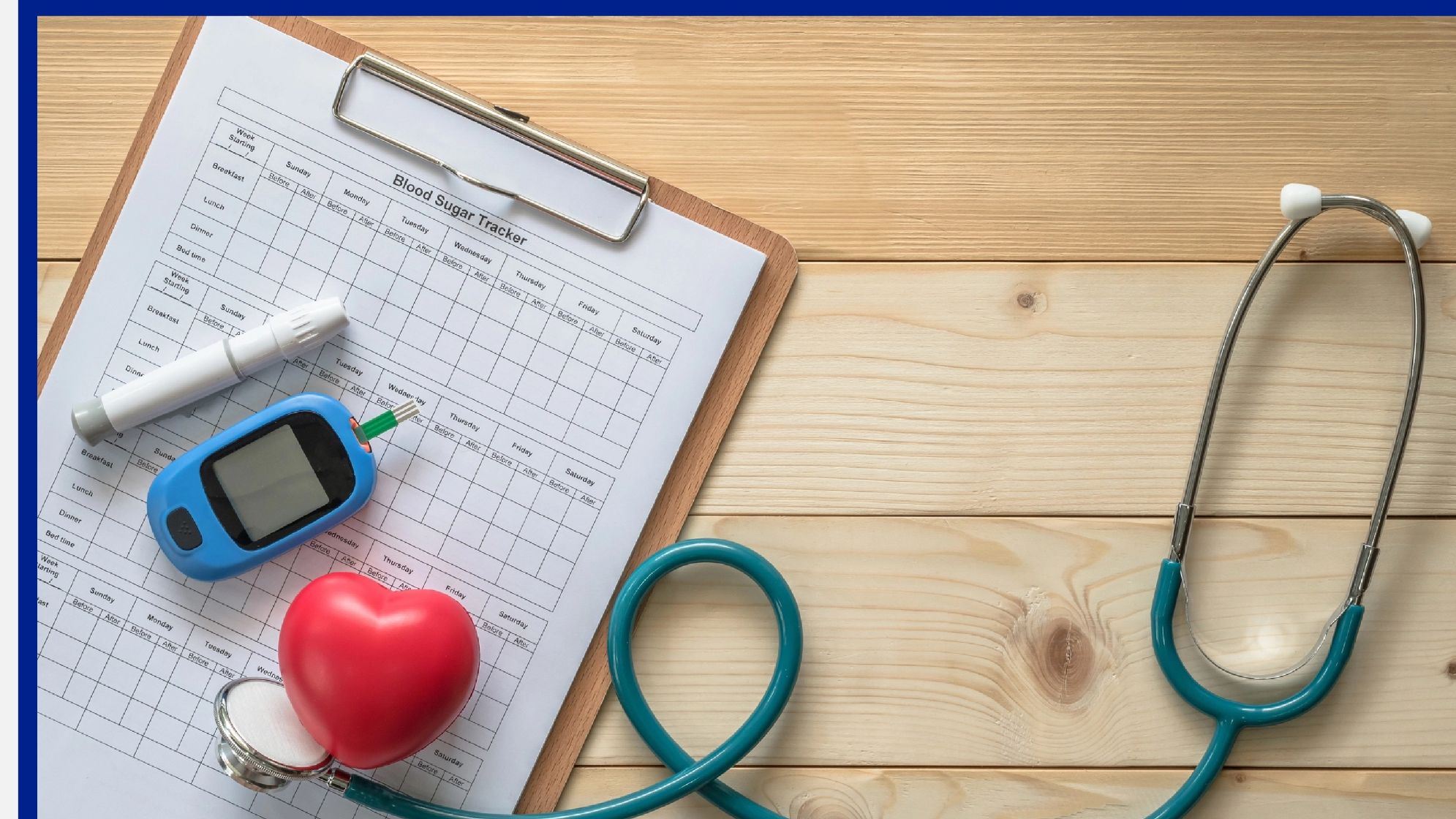
Dr Vedavati Purandare explains why every person with Diabetes should use a glucose meter and describes the correct way to use them to monitor glucose levels.
When Mrs Zaveri discovered she was pregnant, she visited the doctor who immediately stopped the oral medication and placed her on insulin which is deemed safer during pregnancy.
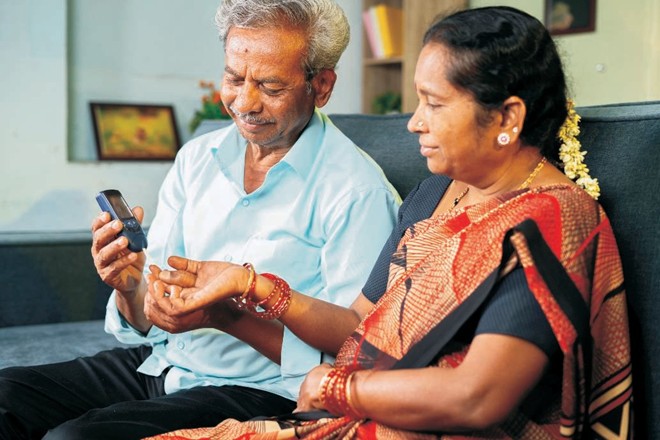
She was also taught to self-monitor her blood glucose levels to avoid blood glucose lows (hypoglycaemia). Throughout her pregnancy, Anupama used a glucose meter to monitor blood glucose levels. She would check her blood glucose levels and consulted her doctor when readings were high or low. She learnt to adjust her insulin dosage to avoid the lows and regulate her blood glucose levels. Her constant vigilance and regular monitoring of blood glucose levels helped her have a healthy pregnancy and she delivered a healthy full-term baby.
Anupama found using a glucose meter in the comfort of her home to be easy and cost effective. The timely checks helped her avoid blood glucose fluctuations and eased her and her husband’s worry about her pregnancy. Anupama continues to use her glucose meter to effectively manage her blood glucose levels.
The need for glucose meters
Diabetes Mellitus is a state of high blood glucose levels. Blood glucose is vital to health because it is an important source of energy for the cells that make up your body. It is also your brain’s main source of fuel. If you have Diabetes, no matter what type, it means you have too much glucose in your blood.
Management of blood glucose levels is managed by two prominent hormones – insulin and glucagon. They both affect blood glucose levels in the human body. Insulin, produced by the pancreatic beta cells, reduces the blood glucose level and glucagon, released by pancreatic alpha cells, increases blood glucose level by releasing stored glucose from the liver.
Insulin and glucagon in concert with each other maintain the optimal levels of glucose
in the blood with the help of glucose sensors in the pancreas and other body parts. If glucose level goes high, insulin is released in appropriate amount to bring the blood glucose levels under control. In case glucose levels are dropping, insulin release stops immediately and glucagon release initiates. Glucagon increases blood glucose levels. Thus, blood glucose levels are maintained within a normal range in a
non-diabetic person despite wide variations in food intake and physical activities.
Blood glucose levels keep fluctuating throughout the day. They rise post meals and fall during the night. Normally, appropriate interaction between insulin and glucagon ensures that the individual does not have a hypoglycaemia episode (extremely low blood glucose levels) or hyper glycaemia (high blood glucose levels). But in people with Diabetes, this autonomous interaction is not seen due to insufficient or complete lack in production of insulin. So, people with Diabetes need to manually manage their blood glucose levels with the help of oral anti-diabetic medication or by injecting insulin. Their dosage is determined by existing blood
glucose levels.
It is not possible to visit the pathology laboratory before and after every meal to determine how high or low your blood glucose levels are. This is where the glucose meter comes handy.
SMBG matters
Self-monitoring of blood glucose levels (SMBG) is crucial for improved glucose control and as it helps individuals take control of their Diabetes and achieve target blood glucose levels. SMBG became possible in 1970s by the development of the Ames Reflectance Meter (ARM) by Anton Clemens at Ames. This instrument weighed 1.2 kg and a standard reference strip was used for calibration. It also had lead acid rechargeable batteries. The signal was displayed by a moving pointer on three analogue scales, equivalent to 0-72, 72-180 and 180-990 mg/dL blood glucose. Current glucose meters weigh around 75 to
100 gms and have a digital display denoting blood glucose value from
10-600 mg/dL. This makes testing at home very convenient.
SMBG involves pricking a finger with a lancet device to obtain a small drop of blood. This is then applied onto a reagent strip which is inserted into a reflectance photometer to determine the concentration of glucose in the blood. Test results are recorded in a logbook or stored in the glucose meter’s electronic memory.
People with Diabetes on insulin are advised SMBG at least three to four times a day – fasting, before meals, post prandial and before bed time. This frequency changes from individual to individual. SMBG data proves invaluable to fine tune the Diabetes management regimen – diet, physical
activity, medication or using more or less insulin.
Note: It is advisable to consult your doctor to determine a personalised SMBG schedule to optimise your Diabetes management
Nowadays meters are available in various sizes and are increasingly becoming lighter in weight. Their test times have decreased and their memory capabilities have increased. They can measure blood glucose by a one or two step process.
Testing requires very less amount of blood which decreases the pain of deep wounds from the lancet.
Glucose meters explained
Glucometer is a small hand held device which is used to monitor blood glucose levels in the comfort of your home. It is
user friendly and easy to master. Its functionality is straight forward which helps avoid misinterpretation of results. In their current design to use the glucose meter effectively, you require the meter, the correct lancet and the appropriate strips.
Every glucose meter has exclusive strips which will guarantee that the fit is correct to ensure the validity of the test results.
Any glucose meter will ideally fit in the palm of your hand. All new glucose meters are calibrated and are battery powered.
Glucose meter usually has:
- A test strip port – where the strip is
- A LCD display – to indicate test
- Memory buttons with up and down arrows – to check previous stored blood plasma values.
An On/Off button (in specific models

only).
- Enter Time Set Date button (in specific models only).
- Enter into coding button (in specific models only).
Older versions of the glucose monitors required the user to manually enter a code provided on the test strip package each time you open a new box. Some models of glucose meters also require a code chip to be inserted into the meter, which was included in the test strip box. With every new strip box you use, you will have to reenter the code or insert a new code chip. Some glucose meter models also require the user to press a button on the meter to code.
Case study 2
Too much testing can cause anxiety and ill health.
Mr Brian D’Souza (name changed) had been diagnosed with Type 2 Diabetes Mellitus a year ago. His glucose levels were on the higher side – his fasting sugar was 155 mg/dL and his post prandial sugar was 220 mg/dL. He was prescribed oral medication which helped manage his blood glucose. A month ago his good friend suffered a heart attack. His friend also had Type 2 Diabetes which was under control. Brian, upon hearing this news, rushed for his annual checkup. His health parameters were within range but his random sugar level was 200 mg/dL.
Brian decided to rigorously monitor his daily glucose levels. He typed normal blood glucose level in an internet search engine and formulated a timetable to monitor his glucose levels. He began checking the glucose levels multiple times every day. He modified his diet and exercise routine to
ensure that his readings were not high. The constant monitoring and worry about any fluctuations observed affected his health causing anxiety. His modified diet caused severe weakness and he fell ill. His exercise routine caused aches and pains that he had not experienced before. His glucose levels continued to fluctuate and his anxiety kept rising.
His doctor was amazed by all the anxiety and difficulty that Brian had put himself through. The doctor sat him down and explained to him that looking at his health parameters it was unnecessary for him to check glucose levels multiple times a day. His blood glucose and blood pressure levels were easily manageable by lifestyle modification and one oral medication. He was not at any immediate risk of heart related complications. But abruptly changing treatment and lifestyle schedules would definitely put him at risk for further complications.
The doctor further explained to Brian that every person with Diabetes was unique as health parameters and environmental factors varied for every person. As a result, health complications suffered by someone would not automatically manifest for someone else. This reassured Brian who promised to follow medical advice to better manage his blood glucose levels.
Using a glucometer
Read the instruction manual carefully before using your new glucose meter for the first time. This will answer most of your queries and allow you to test your blood glucose levels hassle free. Before starting the blood glucose measurement, make ready necessary materials such as:
- Blood glucometer
- Lancet
- Lancet device
- Glucose test strip
- Cotton ball with alcohol on it or an alcohol swab
- Sharp disposal container
A small drop of blood (1 microliter) is required to use in a glucose meter. Some meters require even a smaller quantity. The most commonly used place to draw blood is the fingertip as it offers closer to real-time blood glucose levels. Some glucose monitors allow you to draw blood from alternate sites like your palms, arm or thighs as well. Drawing blood from these sites may be less painful. But drawing
blood from alternate sites may affect test readings.
Note: Blood glucose levels fluctuate rapidly after a meal or during a hypoglycaemic
episode. It is advisable to draw blood from your fingertips during this time as blood from alternate sites offers reading which are often 15 minutes behind. Testing from alternate sites is permissible when your glucose levels are stable.
Lancets are needles necessary to prick your skin to draw a drop of blood. Lancets are placed and locked in the lancet device. The device is then placed on the fingertip.
Lancing devices are spring loaded and the lancet needle is released when a button is pressed. This needle pricks the skin and draws a drop of blood.
Most lancing devices allow you to modify how deep your skin will be pricked. These adjustable settings are important as people with thinner skin do not require deep penetration which also causes more pain. Lancet devices help minimise pain as blood is drawn in a single step and multiple finger
pricks are not required.
A test strip is inserted into the glucose meter and the drop of blood is placed on the strip. The test results are presented on the display screen in a matter of seconds. Some strips are embedded with the code so a meter can detect the information directly from each test strip.
Note: Prior to using a lancet, it is important to disinfect the site with an alcohol swab.
After use, lancets should be disposed safely in a sharp disposal container. Avoid reusing the lancet and test strip.
Interpreting glucometer reading
Glucose monitor test results should ideally display results within 15 per cent or so of your laboratory results 95 per cent of the time. Factors affecting accuracy include:
- Calibration of meter – Blood glucose meters need to be calibrated or coded periodically. If this is not done, theaccuracy of the meter’s measurements comes into question.
- Ambient temperature – Low and high temperatures and humidity can affect meter functioning, although most meters have a temperature sensor and will report errors at extreme
- Size and quality of blood sample – Insufficient sample may give incorrect results. Contaminated blood sample could raise blood glucose levels
- High levels of certain substances (such as vitamin C) in blood – Some medications or supplements can raise glucose levels.
- Hematocrit (ratio of the volume of red blood cells to the total volume of blood) very high or very low levels affect blood glucose readings. Hematocrit alterations are seen in people who live at different altitudes or those who smoke or have renal failure.
- Dirt on meter Unclean meter can
contaminate blood sample and affect results.
- Aging of test strip Strip past its expiry date may give incorrect results.
Carry your glucose meter when you visit your doctor or Diabetes educator so they can guide you on the correct usage techniques and about maintaining its accuracy. The easy way to check the accuracy of your glucose meter is to use the glucose monitor after a minute of giving a blood sample in a pathology laboratory. You can then compare the two
readings.
Any glucose meter needs to be calibrated after recurrent use. Calling the toll free number of the glucose meter company will help you contact the company representative who will use a control solution with a known glucose level. If your meter displays that level then the meter and test strips are working together properly. If the reading is incorrect then the meter might need to be recalibrated.
5 tips while buying glucometer
These tips may prove beneficial while selecting and purchasing a glucose meter:
- Consider one-time costs and recurrent costs while purchasing a glucose meter. The glucose meter is the one time cost while the lancet and test strip cost is recurring. It is important to take into consideration the number of strips and lancet you will require on a daily, weekly and monthly basis. This number will determine the eventual cost to be borne while using a glucose meter.
- Some glucose meters offer easy to read displays which have a backlight option. This will help you read the display easily at night. Some meter also offer voice readout where your test results are read out loud.
- Some glucose meters store your test records. This feature comes in handy when your doctor might have to determine medication dosage and lifestyle Some meters even present the data in a graph which can then be sent to your doctor via email. This software is offered for free by some companies while other charge for this service.
- Some glucose meters offer a languagesetting, where you can select which language the test reading are displayed or read out loud.
-
- Wash your hands with warm water – Wash your hands and the site where you will prick to draw blood. Warm water will increase blood flow to the fingers without any additional
- Massage if required – Massage the test site with your fingers will increase blood
- Disinfect – Use a cotton ball dipped in rubbing alcohol or an alcohol swab to disinfect the site where you will prick to draw blood.
- Dry – Let the site dry prior to pricking it. Excess water and rubbing alcohol can dilute your blood sample, affecting your
- Second drop – If you wish to test outdoors and do not have any means to wash your hands or disinfect them then prick your fingertip and wipe the first drop of blood away with a clean tissue. Test with the second drop of blood.
- Fingertip is best – Quite a few meters allow alternate site This provesGlucose meters which code automatically can help you save invaluable time when blood glucose levels have to be tested during an
Do’s while using glucose meter
Don’ts while using glucose meter
-
beneficial for people who have a lower threshold for pain. But the test results from sites such as arm or thigh do not denote current blood glucose level.
Rather they show blood glucose levels from 15 minutes ago as circulation to the arm takes longer than to the fingertip.
- Squeeze me not – Getting sufficient blood will help accuracy of test results but avoid squeezing your fingertip after you have pricked it as it may cause more interstitial fluid (fluid below skin) to mix with the blood and thereby contaminate the blood sample.
Don’ts while using glucose meter
- Don’t share your lancets or lancing device with anyone else. This may increase risk of infection.
- Don’t reuse your lancet or test strip. Reused lancets are duller which increases the pain.
- Don’t throw used lancet in the garbage bin. Dispose them safely in a sharp disposal bin.
- Don’t use out-dated test strips as this may affect test results.
- Don’t continue to use old glucose meters without recalibrating them. Seek the help and guidance from the company representative by calling the toll free helpline number.
- Don’t use strips that aren’t approved for your glucose meter. This can alter test
- Don’t expose the test strips to humidity as it affects their functioning. Keep the lid of strip container tightly closed after use. Avoid carrying the strips in your pocket or purse. Store them in their
container away from light and air.
- Don’t expose your meter to extreme temperatures such as when it is too hot, too cold or too Use its protective case during travel and at home.
- Consult your doctor to determine the optimal number of testing you require during a day or week.
- Don’t ignore care instructions and advice provided by the meter manufacturing company. Those instructions will help you test optimally and provide accurate test results.
The future of glucose meters
The next generation of blood glucose monitors will do more than provide a number. Future meters will have increased
accuracy and be easier to use.
The future glucose meter could be non- invasive which could connect to phones, wearables, link doctors and patients, and use AI and big data to analyse trends in conjunction with other reports like kidney reports etc.
It could communicate with other devices, either directly or by transferring data to the cloud. This would provide holistic Diabetes management as the medical practitioner would have all necessary information at the click of a button. Transferring data to a central cloud and with the use of advanced algorithms could make it easier to identify patterns and correlations especially with regards to blood glucose fluctuations.
Dr Vedavati Purandare is consultant Diabetologist
and Physician.