




Dr Om J Lakhani explains what every person with Diabetes should know about AI and Diabetes
Artificial Intelligence tools like ChatGPT, Perplexity, Google Gemini, and Microsoft Copilot have become increasingly prevalent in healthcare. Every person with Diabetes, Should understand how AI can impact your care and enhance your health outcomes is crucial for navigating modern healthcare effectively.
This article explores AI applications in Diabetes management from two perspectives: how healthcare providers can leverage AI to improve patient care, and how patients can use AI tools to better manage their condition.
Enhance your care
Many healthcare providers are already incorporating AI into their clinical practice, and for good reason. AI enhances clinical decision-making by reducing bias, improving diagnostic accuracy, and increasing the overall safety of medical care.
Staying Current with Medical Knowledge
Doctors use AI platforms like Perplexity to access the latest Diabetes research and treatment guidelines. This ensures they can offer you the most up-to-date care based on current medical evidence and global best practices.
Clinical Data Analysis
When you share extensive medical reports (often 20-30 pages), AI helps doctors quickly identify the most relevant information. By analysing your patient data, AI can generate key clinical insights, highlight potential red flags, and provide timely recommendations that improve your overall care.
Specialized Medical Applications
Diabetic Retinopathy Screening: AI assists doctors in analysing fundus photographs to detect diabetic retinopathy early, determining whether you need referral to a retinal specialist.
Drug Interaction Monitoring: AI systems can identify potential interactions between your medications, something that’s increasingly important as treatment regimens become more complex.
Ambient Clinical Documentation: Some doctors use AI as a “digital scribe” that records and analyzes patient consultations, helps to identify important details that might otherwise be missed and ensuring more comprehensive care.
Better Diabetes management
As a patient, you can harness AI tools to take a more active role in managing your Diabetes and improving your health outcomes.
Reliable Medical Information
Instead of searching Google for medical information where personal opinions, forum posts, and unqualified sources often appear consider asking AI systems for
health-related questions. AI provides more balanced, evidence-based responses that draw from reliable medical sources.
Personal Health Data Integration
Modern AI can synthesize data from various sources to provide comprehensive insights into your health patterns:
- Blood Glucose Tracking: Many glucose monitoring apps can integrate with your smartphone’s health platform (like Apple Health) to correlate blood sugar readings with food intake, exercise, and sleep patterns
- Continuous Glucose Monitor (CGM) Analysis: Upload your CGM reports to AI systems for detailed analysis of your glucose trends and patterns
- Insulin Dosing Support: AI can help calculate insulin doses based on your food intake – particularly valuable for Type 1 person with Diabetes.
Optimizing Doctor Visits
Prepare for medical appointments more effectively by uploading your medical records to AI systems before your visit. Use AI to:
- Generate a concise, one-page summary of your current health status
- Prepare relevant questions to discuss with your doctor
- Make the most of limited consultation time by focusing on priority issues
Real-World Applications: Case Studies
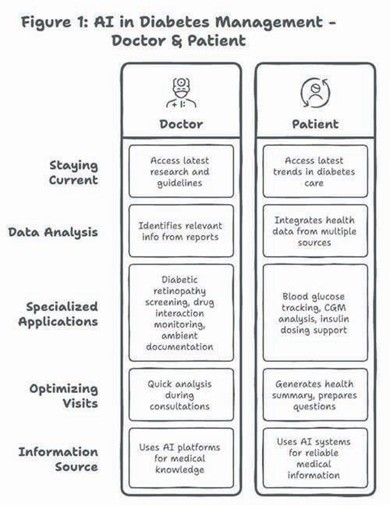
Figure 1 summarises the various ways in which doctors and patients can use to enhanced medical care.
Now let us look at a couple of case studies to illustrate these ideas in a real-world scenario:
Case Study 1:
Dr. Rakesh, an endocrinologist, has developed a streamlined AI-enhanced workflow for his patients with Diabetes:
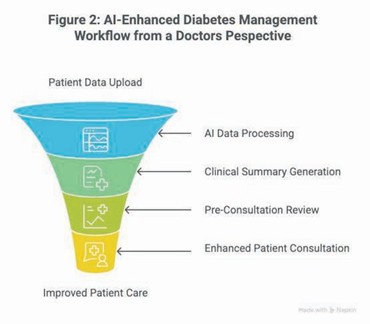
Patient Data Collection: Patients upload blood sugar readings, laboratory reports, and current prescriptions through a custom web portal.
AI Analysis: A specialized AI system processes this information alongside previous medical history to generate a comprehensive pre-consultation summary.
Clinical Decision Support: The system provides Dr. Rakesh with:
- Potential drug interaction alerts
- Previously overlooked diagnostic considerations
- Key health insights and warning signs
- Three to four specific improvement recommendations for patient discussion
This approach ensures more thorough, personalized care during each consultation.
Figure 2 Illustrates the AI-enabled workflow for your doctor to follow
Case Study 2:
Sheena, a 21-year-old with Type 1 Diabetes, exemplifies effective patient use of AI:
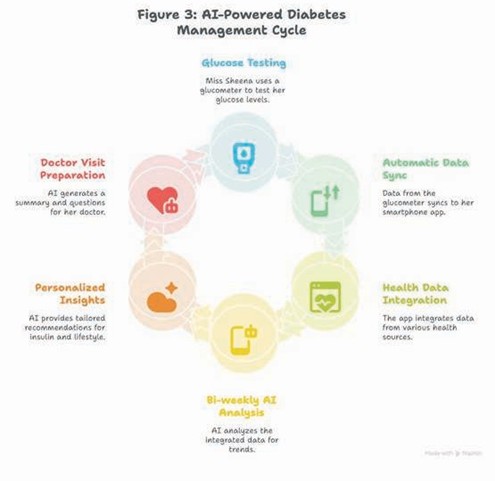
Automated Data Collection: Her glucometer connects directly to a mobile app, automatically logging blood sugar readings along with manually entered food and exercise data.
Health Integration: The system connects with Apple Health to capture exercise data automatically, ensuring comprehensive tracking even when manual entry is missed.
Regular Analysis: Every few weeks, Sheena downloads her data and uploads it to a custom AI system that provides:
- Personalized health improvement suggestions
- Insulin dosing recommendations
- Diabetes management insights
Appointment Preparation: Before doctor visits, she uses AI to generate summary reports and prepare relevant questions, maximizing the value of her medical consultations.
Figure 3 illustrates the AI- powered workflow for Miss Sheena.
Looking Forward
AI represents a powerful tool for enhancing Diabetes care when used thoughtfully by both patients and providers. By understanding these applications, you can work with your healthcare team to incorporate AI tools that support better health outcomes and more personalized care.
Remember that AI should complement, not replace, professional medical advice. Always discuss AI-generated insights with your healthcare provider to ensure they align with your overall treatment plan.
Dr Om Lakhani is Consultant Endocrinologist at Zydus Hospital in Ahmedabad. He is the founder of Mellitus healthcare LLP s technocrinology.com. He is considered the leading figure for the use of AI in healthcare and has authored 30 publications s 20 book chapters.